How Bankruptcy Law Attorneys Help Regain Financial Stability
Many households and small businesses face turning points where bills, interest, and collection pressures collide. When you need a steady plan, the bankruptcy law attorneys serving Salisbury Borough, MD, at the Law Office of Donald S. Goldbloom can help you understand options that align with your goals. This guide explains how legal counsel navigates Chapters 7 and 13, what to expect from filing through discharge, and practical steps to rebuild your finances with confidence.
How Bankruptcy Law Attorneys Support Your Case
A clear path begins with clarity about the process. Before any filing, you’ll want to understand how your debts, assets, and income fit into the legal framework and how each decision shapes your outcome.
- Case evaluation and strategy. Your financial picture drives the plan—types of debt, household income, property, and recent financial activity. Early on, seasoned guidance can identify whether Chapter 7’s fresh start or Chapter 13’s repayment plan is the right fit. Bankruptcy lawyers translate complex rules into an understandable, step-by-step roadmap tailored to your circumstances.
- Preparing accurate paperwork. Petitions, schedules, statements, and means-test calculations must be complete and consistent. Mistakes can cause delays or jeopardize relief. With a methodical approach, bankruptcy law attorneys help gather documents—pay stubs, tax returns, bank statements, creditor lists—and present them in a way that aligns with court and trustee expectations.
- Activating protections quickly. When the case is filed, the automatic stay typically pauses most collection efforts, wage garnishments, foreclosures, and repossessions. If you’re facing an urgent sale date or aggressive collection activity, bankruptcy attorneys can move rapidly to file and then address time-sensitive issues with the court and creditors.
- Navigating the 341 meeting and trustee requests. The meeting of creditors is usually brief, but your trustee may ask for clarification or additional documents. Bankruptcy law attorneys prepare you for common questions, attend the meeting with you, and help respond to any follow-ups, minimizing uncertainty.
- Addressing secured debts and critical assets. Home mortgages and car loans often require special planning. In Chapter 13, you may cure arrears over time, propose plan payments that fit your budget, and seek confirmation from the court. Bankruptcy law attorneys can guide decisions about reaffirmation, redemption, or, when available, adjusting vehicle loan balances in a plan.
- Handling discharge and post-case questions. After completing the process, you’ll receive a discharge that eliminates many unsecured debts. If creditor reporting mistakes appear on your credit report or you have questions about debts that survived the case, bankruptcy counsel can help you resolve those issues promptly.
Choosing Between Chapter 7 and Chapter 13
Different chapters serve different needs. Understanding how they function can help you choose a route that protects your essentials while moving you toward a lasting recovery.
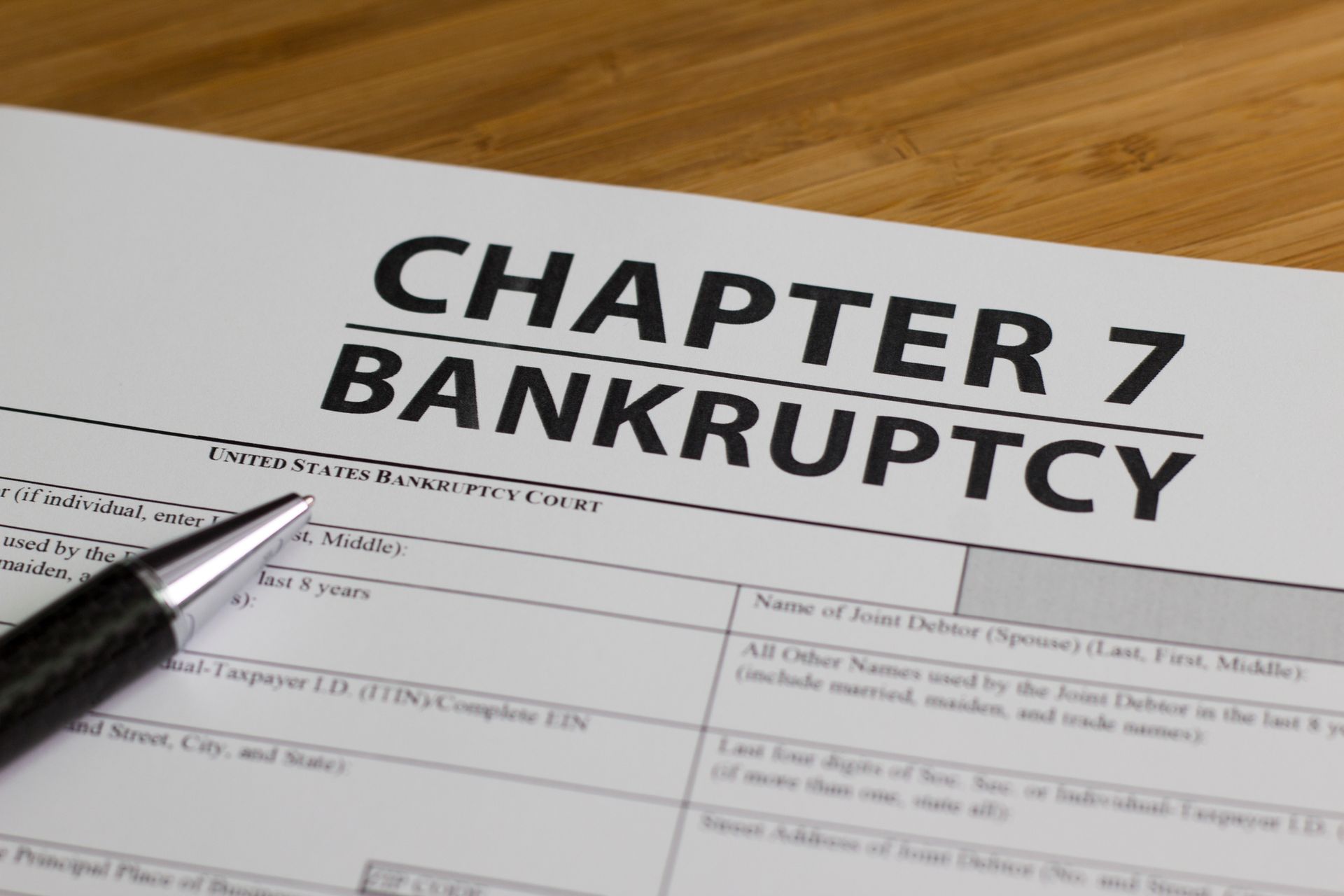
- Chapter 7 basics. Often called liquidation, Chapter 7 may allow qualifying filers to eliminate unsecured debts like credit cards and medical bills in a matter of months. Exemptions can protect certain property within legal limits, and many people retain their day-to-day items. Bankruptcy lawyers evaluate the means test, discuss exemption options, and explain how your assets and recent financial activity affect eligibility.
- Chapter 13 basics. Chapter 13 creates a structured plan, typically three to five years, to repay some debts while protecting assets that matter most. It can be particularly helpful if you’re behind on a mortgage or car loan or if you don’t pass the Chapter 7 means test. Bankruptcy law attorneys help craft a feasible plan, calculate disposable income, and present a proposal the court can confirm.
- Timelines and tradeoffs. Chapter 7 moves faster but may not resolve arrears on secured debts; Chapter 13 takes longer but can manage arrears, taxes, and certain domestic support obligations within your plan. Bankruptcy attorneys discuss how each chapter handles tax debts, co-signed loans, and student loans, so you can weigh what matters most.
- Costs and cash flow. While Chapter 13 has plan payments, it can also consolidate obligations and remove immediate collection pressure. An honest budgeting process—one that accounts for essentials, savings, and plan payments—helps you exit the case with stronger financial habits. Bankruptcy law attorneys help align plan terms with realistic living expenses.
What to Expect From Filing to Discharge
Understanding the timeline reduces stress and helps you prepare documents and decisions at the right moment.
- Pre-filing credit counseling. You’ll complete a brief counseling course from an approved provider. It’s a requirement, and you’ll file a certificate with the court. Insolvency lawyers can recommend reputable providers and ensure your certificate is timely.
- Filing and the automatic stay. Once your petition is filed, the stay generally takes effect immediately. Foreclosures, garnishments, and collection calls usually pause. Bankruptcy law attorneys monitor post-filing actions and address any stay violations or necessary motions to protect you.
- The 341 meeting. About a month after filing, you attend your meeting of creditors. Most are straightforward and last just a few minutes. Bankruptcy lawyers prepare you so you know what to bring, how to answer, and what happens next.
- Plan confirmation (Chapter 13). If you’re in Chapter 13, the court must approve your plan. You’ll make payments to the trustee, who distributes funds to creditors. Bankruptcy law attorneys handle negotiations with creditors and advocate for confirmation, adjusting the plan if needed to meet legal standards.
- Financial management course and discharge. Before your case closes, you’ll complete a debtor education course and file the certificate. Then, if requirements are met, the court issues your discharge. Bankruptcy attorneys can help ensure all steps are completed so your relief isn’t delayed.
Protecting Your Income, Home, and Car During the Process
A stable recovery depends on safeguarding what you need to live and work.
- Income protection. The automatic stay can halt wage garnishments and pending collections. Bankruptcy law attorneys help file any needed notices to your employer or the creditor to stop improper deductions quickly.
- Home strategies. If foreclosure is looming, a timely filing may pause the sale and open options. In Chapter 13, you can propose to cure mortgage arrears while maintaining current payments. Insolvency lawyers analyze escrow shortages, fees, and arrearage claims so you know exactly what you’re addressing in the plan.
- Vehicle solutions. If missed payments have you worried about repossession, the stay usually prevents immediate action. In certain cases, Chapter 13 can adjust payment terms or, when available under the law, reduce balances to a vehicle’s value. Bankruptcy law attorneys assess whether reaffirmation, redemption, or plan treatment best secures your transportation.
- Exemptions and everyday property. Exemptions exist to protect necessities—clothing, household goods, some equity in a home or car, and retirement accounts, subject to limits. Insolvency lawyers evaluate whether federal or state exemptions are more favorable to your specific situation and help you maximize permitted protections.
Practical Steps to Rebuild Credit and Confidence
A discharge is a milestone, not the finish line. You can begin rebuilding right away with deliberate, manageable steps that focus on habits and documentation.
- Check all three credit reports. After discharge, verify that discharged accounts show a zero balance and “included in bankruptcy.” Dispute inaccuracies with documentation. Bankruptcy law attorneys can advise on language that supports accurate reporting and help address stubborn errors.
- Start small with new credit. Consider a secured card or a credit-builder loan through a community bank or credit union. Keep utilization under 10–30% and pay in full every month. Over six to twelve months, responsible use can establish steady progress.
- Automate the essentials. Put utilities, insurance, and cell service on autopay to avoid late fees. Build a small buffer—two weeks of expenses—and add to it monthly until you have three to six months of reserves.
- Budget for flexibility. Try a zero-based plan for the first three months to see where funds truly go, then shift to a 50/30/20 framework if it suits your lifestyle. Review subscriptions, renegotiate rates, and put raises or windfalls toward savings and debt prevention.
- Protect your paperwork. Keep your discharge order and schedules in a safe place. When applying for a lease, loan, or even some jobs, having organized records can streamline approvals and reduce awkward back-and-forth.
- Maintain momentum. Consider free credit monitoring, set quarterly “money check-ins,” and celebrate small wins—three on-time payments, a 20-point score increase, or hitting your first $500 emergency fund milestone.

Using Legal Guidance to Stay Debt-Resilient
Even after your case ends, the right questions can help you avoid old pitfalls and navigate new opportunities. Providing services in Salisbury Borough, MD, counsel can help you plan for life events, evaluate new borrowing, and address debts that didn’t go away.
- Student loans and taxes. While many student loans aren’t discharged, there may be options for income-driven repayment, consolidation, or, in rare cases, litigation. Certain taxes are repayable in Chapter 13 and sometimes dischargeable under strict rules. Bankruptcy law attorneys can help you revisit repayment structures that prevent future strain.
- Housing stability. If mortgage servicers apply payments incorrectly post-discharge, swift action matters. Bankruptcy attorneys can review statements, escrow changes, and notices to ensure compliance with the plan or discharge terms.
- Business and side income. Launching a small venture after bankruptcy is possible with careful planning. Track cash flow, separate business and personal accounts, and avoid high-cost credit. Many self-employed residents build resilience by starting lean, negotiating supplier terms, and maintaining a tax reserve from day one.
- Safe borrowing and credit mix. Over time, adding a low-limit card or small installment loan—used conservatively—can round out your credit profile. Bankruptcy law attorneys can discuss timing and safeguards that fit your long-term goals.
- Insurance and identity safeguards. A sudden medical bill or identity theft can undo hard-won progress. Confirm adequate health, renter’s or homeowner’s, auto, and life coverage where appropriate, and freeze your credit to block unauthorized accounts.
When to Consider a Fresh Start
There’s no perfect moment—there’s only the right information and a plan you can sustain.
Consider a consultation if:
- Minimum payments barely touch principal, or you’ve relied on credit cards for essentials for three or more months.
- Collection activity, lawsuits, garnishments, or foreclosure timelines are accelerating.
- A recent life change—job loss, medical event, or divorce—has disrupted your budget, and you need immediate relief paired with a longer-term strategy.
- You want to preserve a home or vehicle while restructuring unaffordable debts into a realistic payment plan.
A thoughtful decision today can prevent larger losses tomorrow. Serving Salisbury Borough, MD, guidance is available whether you need swift protection or a structured path to repay and rebuild.
Call Us Today and Move Forward With Confidence
If you’re weighing options and want a clear, step-by-step path, the bankruptcy law attorneys serving Salisbury Borough, MD, at the Law Office of Donald S. Goldbloom are ready to help you move forward with confidence. You can get answers to immediate concerns and a plan for lasting stability. Call (301) 895-5240 today to schedule a conversation and take the first step toward a stronger financial future.